What Are Advantages and Disadvantages of AI
As artificial intelligence continues to evolve, its presence in our daily lives grows ever more pervasive. From simplifying routine tasks to revolutionizing entire industries, AI presents a complex landscape of benefits and challenges. Understanding these multifaceted aspects is crucial for navigating our increasingly AI-driven world.
What is Artificial Intelligence?
Artificial intelligence, commonly known as AI, represents a broad field of computer science dedicated to creating machines that can perform tasks traditionally requiring human intelligence. At its core, AI involves developing highly developed algorithms and AI models that enable computers to learn from data, reason, perceive, understand language, and even most complex problems. This groundbreaking technology aims to mimic and ultimately extend human cognitive abilities, leading to the creation of intelligent agents capable of autonomous operation. The use of AI has expanded dramatically, moving beyond theoretical concepts into practical applications that redefine how we interact with technology and the world around us.
What Are the Different Types of AI
The realm of AI is not monolithic; rather, it encompasses various types, each with distinct capabilities and levels of sophistication. Narrow AI, also known as weak AI, is designed to perform specific tasks, such as playing chess or recognizing faces. Most of the AI systems we encounter today, like chatbots and virtual assistants, fall into this category. General AI, or strong AI, aims to replicate human intelligence across a wide range of cognitive functions, possessing the ability to learn and apply intelligence to any intellectual task that a human can. While still largely theoretical, the pursuit of general AI drives much of the advanced AI development. Superintelligence, a hypothetical future AI, would surpass human intelligence in every aspect.
What are the Applications of AI
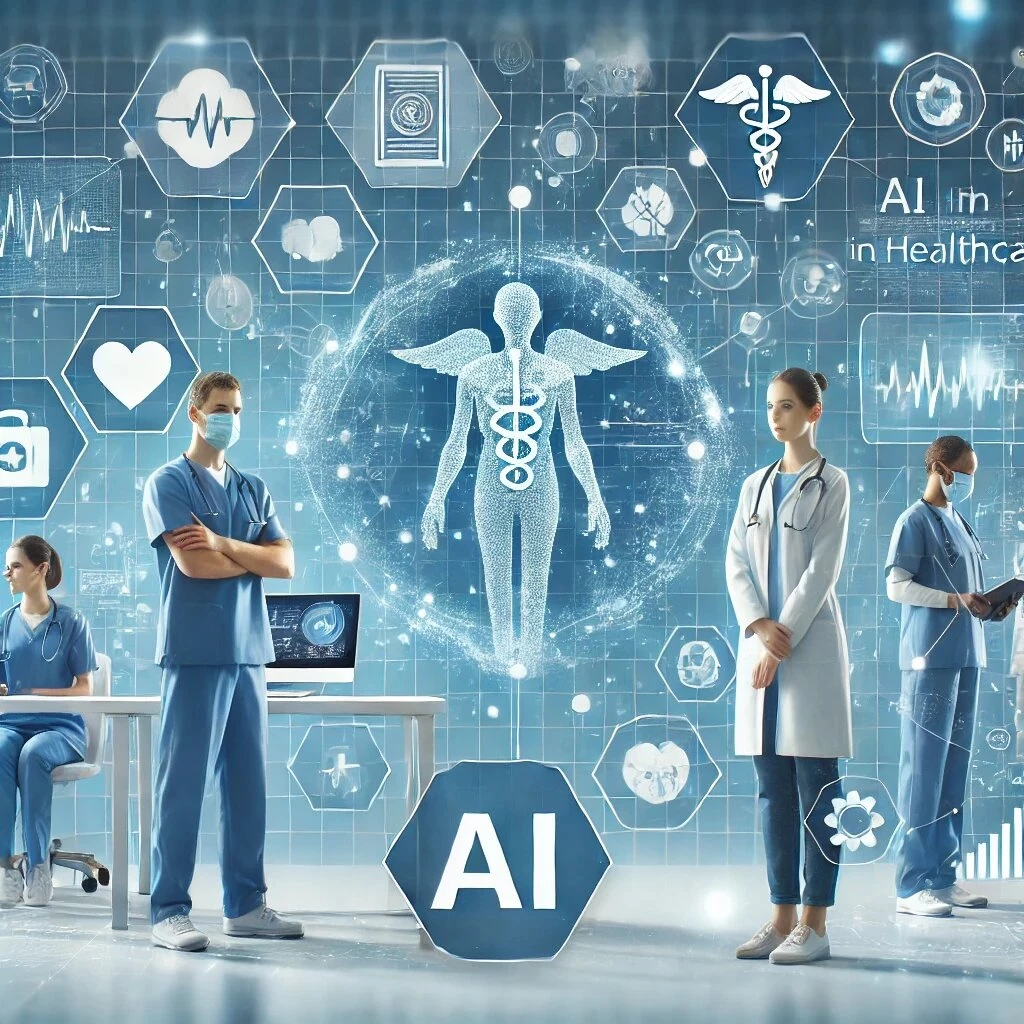
The applications of AI are incredibly diverse and continue to expand across numerous sectors, demonstrating the profound impact of this technology. Businesses leverage AI tools for automation, significantly enhancing productivity by handling repetitive tasks that previously required human workers. In healthcare, AI can help diagnose diseases more accurately and discover new drugs. Financial institutions use AI algorithms for fraud detection and personalized investment advice. AI-powered chatbots and virtual assistants provide instant customer support, improving user experience. Furthermore, AI analyzes volumes of data to derive insights, informing critical decision-making processes in fields ranging from marketing to scientific research. The implementation of AI is revolutionizing industries by offering innovative solutions to complex problems.
What are the Advantages of Artificial Intelligence (AI)?
Increased Efficiency and Productivity
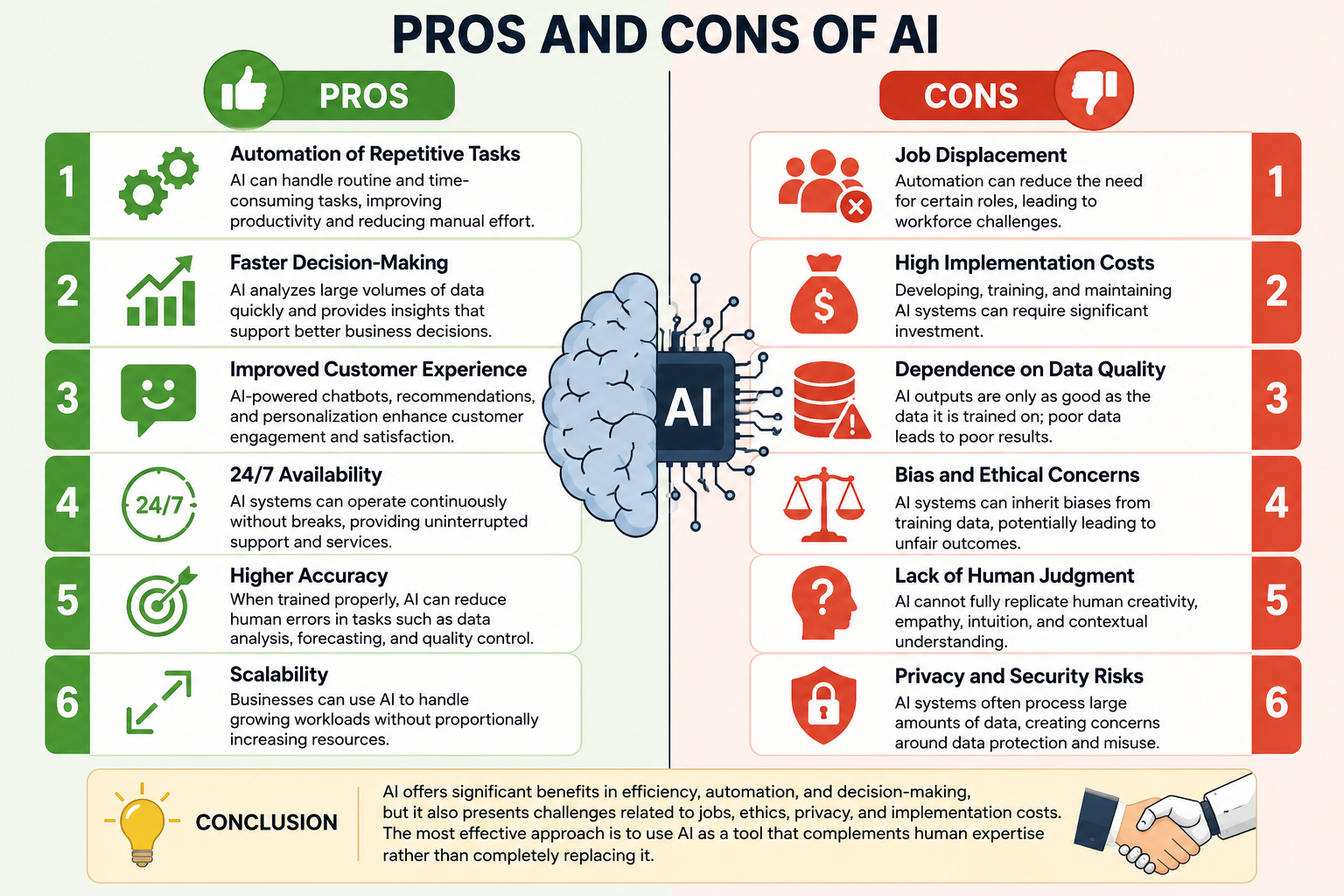
One of the most significant advantages of artificial intelligence lies in its ability to vastly increase efficiency and productivity across various sectors. By leveraging AI to automate repetitive tasks, businesses can streamline operations and allocate human workers to more complex tasks that require critical thinking and creativity. AI systems can perform these tasks with greater speed and accuracy than humans, drastically reducing human error and optimizing workflows. This automation not only accelerates production processes but also ensures a consistent quality of output, leading to substantial gains in overall productivity. The use of AI in this capacity transforms how businesses operate, creating more agile and effective organizations.
Enhanced Decision Making
Another profound benefit of AI is its capacity to enhance decision-making processes. AI algorithms can analyze vast volumes of data at speeds and scales impossible for human intelligence, identifying patterns and insights that might otherwise remain undetected. This data-driven approach allows for more informed and strategic decisions, minimizing guesswork and maximizing the likelihood of positive outcomes. For instance, in finance, AI can predict market trends, and in healthcare, it can aid in diagnosing diseases, leading to more effective treatments. The implementation of AI tools provides organizations with a powerful analytical edge, offering clarity and foresight in an increasingly complex world.
What are the Benefits of AI in Various Industries
The benefits of AI extend across a myriad of industries, revolutionizing operations and creating new opportunities. In manufacturing, AI-powered robots enhance precision and speed on assembly lines. In healthcare, AI can help accelerate drug discovery and personalize treatment plans, while chatbots and virtual assistants improve customer service by providing instant support. The financial sector utilizes AI for fraud detection and risk assessment, safeguarding assets and ensuring compliance. Moreover, in agriculture, AI analyzes soil conditions and crop health, optimizing yields. These diverse applications underscore the versatility and transformative potential of AI, demonstrating how using an AI solution can drive innovation and solve long-standing challenges in almost every field.
What are the Disadvantages of Artificial Intelligence
Job Displacement and Economic Impact
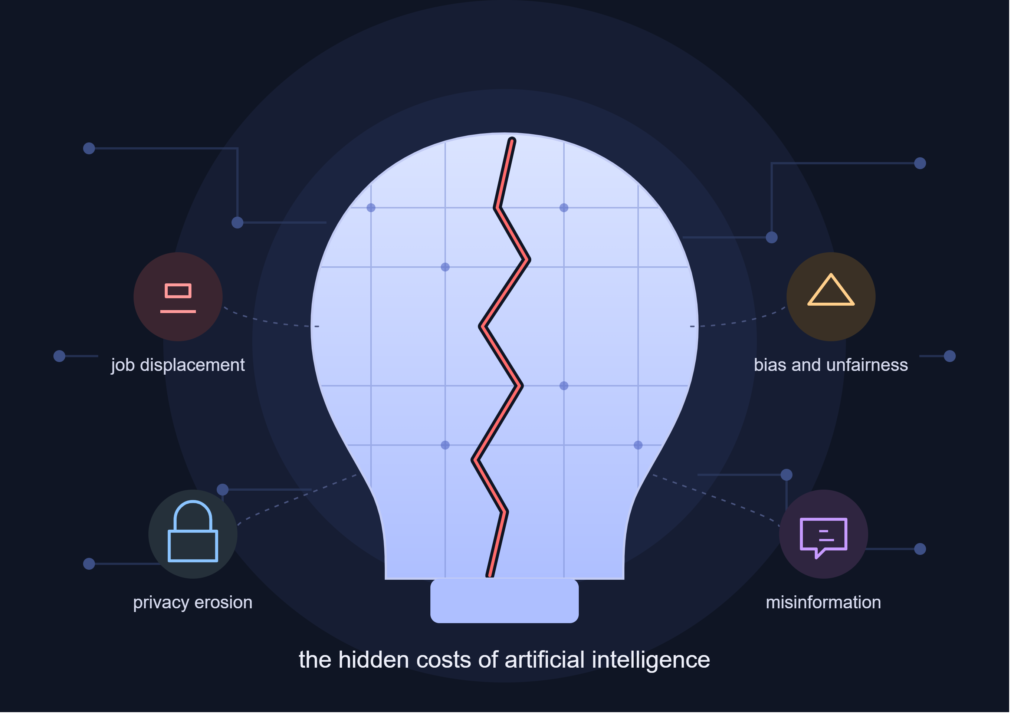
Despite the myriad advantages of artificial intelligence, one of the most pressing disadvantages of AI is the potential for widespread job displacement. As AI technologies advance, their ability to automate repetitive tasks expands, leading to concerns that human workers will be replaced by AI systems across various industries. While AI can help boost productivity, this automation could result in significant economic impact, including increased unemployment rates and a widening wealth gap. The transformation of the workforce due to AI development requires careful consideration and strategic planning to mitigate adverse effects on individuals and national economies. This disadvantage of AI highlights a critical challenge in the ongoing implementation of AI.
Ethical Concerns
The rapid progress in AI development also brings forth a host of ethical concerns that warrant serious attention. One major disadvantage of AI is the potential for bias within AI algorithms, which can arise from prejudiced training data. If the data used to train an AI program reflects existing societal biases, the AI system can perpetuate and even amplify these biases in its decision-making, leading to discriminatory outcomes in areas such as hiring, loan applications, or even criminal justice. Furthermore, the use of AI raises questions about privacy, accountability, and the moral implications of creating intelligent machines that may operate beyond human control, requiring robust ethical frameworks to guide AI development.
Risks of Overreliance on AI
An often-overlooked disadvantage of AI is the risk of overreliance on AI systems, which could lead to a degradation of human skills and critical thinking abilities. As we increasingly use AI to automate complex tasks and aid in decision-making, human workers may become less adept at performing these functions independently. If an AI solution fails or produces erroneous results due to faulty programming or biased training data, an excessive dependence on AI could have severe consequences, including significant human error. This overreliance can create vulnerabilities in essential systems, especially where the human element is crucial for oversight, adaptability, and ethical judgment, underscoring a vital disadvantage of AI that needs to be proactively addressed.
What are the Pros and Cons of AI
What are the Benefits and Risks
The widespread implementation of AI necessitates a careful balance between its significant advantages and the inherent disadvantages of artificial intelligence. While AI can help revolutionize industries through
What Are Key Advantages of AI
1)EImproved decision-making
2)Enhanced Automation, leading to increased productivity
3)Efficiency
What are the Disdantages of AI?
1) job displacement
2)ethical concerns regarding bias,
3)Competly overreliance.
What are the Long-term Implications of AI Use
The long-term implications of AI use extend far beyond immediate operational benefits and risks, shaping the very fabric of future societies. As AI development continues, the increasing use of AI systems could fundamentally alter labor markets, necessitating widespread reskilling and upskilling initiatives for human workers to adapt to evolving job roles. The ethical concerns surrounding AI, particularly regarding fairness and accountability in AI algorithms, will require ongoing scrutiny and the establishment of international standards to prevent algorithmic bias from entrenching societal inequalities. Furthermore, the extensive implementation of AI, including AI-powered virtual assistants and advanced AI models, will likely redefine human-computer interaction and potentially impact human cognitive capabilities, underscoring the profound advantages and disadvantages of artificial intelligence over time.
What May Be the Future of AI: Opportunities and Challenges
The future of AI presents a landscape brimming with both immense opportunities and formidable challenges. Future AI development promises breakthroughs in areas like personalized medicine, climate change modeling, and advanced scientific research, where AI can help analyze vast volumes of data and accelerate discovery. AI tools will continue to automate repetitive tasks, freeing human intelligence to focus on complex tasks requiring creativity and critical thinking. However, challenges include ensuring equitable access to AI technologies, managing the ethical implications of increasingly sophisticated AI agents, and addressing the ongoing debate surrounding job displacement. Successfully navigating these pros and cons of AI will require collaborative efforts from governments, industries, and academic institutions to foster responsible AI innovation and ensure that the benefits of AI are widely shared.